A balanced plate guide for active days
A balanced plate does not require counting anything; this simple visual method helps you fuel busy, active days with colorful, satisfying meals.
- Think in plate sections instead of counting numbers.
- Fill half the plate with vegetables and fruit for color and variety.
- Add protein, whole grains and a little healthy fat for steady energy.
- Meals and supplements work best as part of one consistent daily rhythm.
The plate, not the spreadsheet
You do not need an app, a scale or a degree in nutrition to eat well. You need a plate and a few simple ideas.
Picture a standard dinner plate. Now imagine drawing lines on it. That mental map is the whole method, and it is flexible for vegetarians, families and picky eaters alike, and it works at home, at a restaurant or at a backyard barbecue. Nutrition basics from resources like the MedlinePlus nutrition page emphasize variety, whole foods and balance, which is exactly what the plate delivers.
Half the plate: color
Fill about half your plate with vegetables and fruit. Aim for several colors across the day: leafy greens, orange carrots or sweet potatoes, red tomatoes or berries, purple cabbage or grapes.
Color is a handy shortcut. Different hues tend to bring different plant compounds, fiber and fresh flavor. Frozen vegetables count, too, and they make busy weeknights far easier.
Variety is the real goal, so try one new vegetable each week. Quick ideas:
- Add spinach to scrambled eggs.
- Roast a tray of mixed vegetables on Sunday.
- Keep washed berries at eye level in the fridge.
A quarter plate: protein
Give one quarter of the plate to protein. Fish, chicken, eggs, beans, lentils, tofu, Greek yogurt and lean cuts of meat all work. Protein is a familiar partner for active people who want to keep their strength routine rolling, and it helps meals feel satisfying.
If you are building muscle with the strength training basics plan, spreading protein across the day, rather than loading it all at dinner, is a popular approach.
A quarter plate: whole grains and smart carbs
The last quarter belongs to energizing carbohydrates. Oats, brown rice, quinoa, whole wheat pasta, potatoes with the skin and whole grain bread are all good players.
Active days burn fuel, so carbs are not the enemy. They are the gas in the tank. Choose whole or minimally processed versions most of the time, and enjoy your favorites in reasonable portions. Before a long walk or a round of golf, a bit more carbohydrate often feels great; on a rest day, you might dial it back slightly.
Finish with a thumb of healthy fat: olive oil on the salad, a few nuts, half an avocado or a spoonful of seeds.
A sample day on the plate
Here is how the method might look from morning to night:
- Breakfast: oatmeal, berries, walnuts and a side of yogurt.
- Lunch: grain bowl with chicken or chickpeas, cucumber, tomatoes and olive oil.
- Snack: an apple with peanut butter, or hummus with carrots.
- Dinner: baked salmon, roasted vegetables and a small portion of brown rice.
Water or unsweetened tea alongside each meal rounds it out. For more on staying topped up, see our hydration habits guide. And if you enjoy evening meals that wind down nicely, the evening routine post offers timing ideas.
Meals as the anchor for your routine
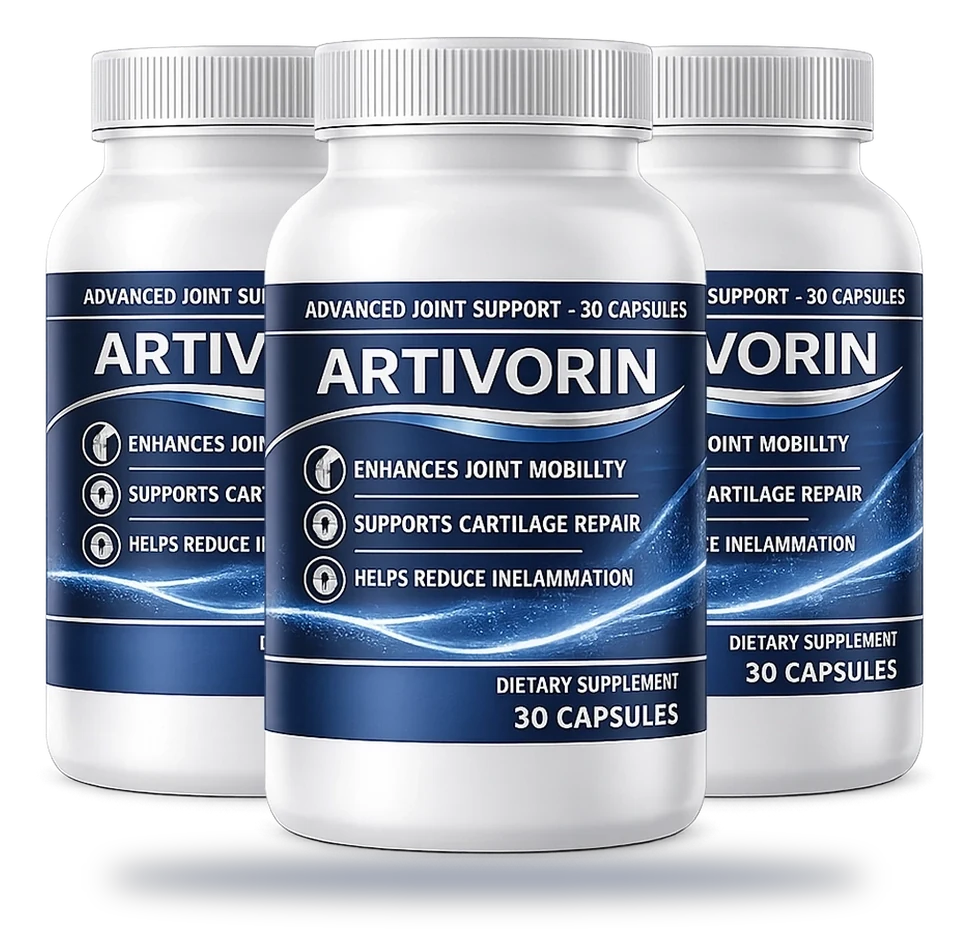
A regular meal is one of the easiest cues for a daily habit. Many people place their Artivorin capsule right alongside breakfast or lunch. The brand positions it as a daily joint support supplement for mobility, flexibility and joint comfort, and the brand page suggests taking it with a meal. Always follow the serving directions on the label.
Its named ingredients, as stated by the brand, include turmeric extract (standardized to 95% curcuminoids), CoQ10, butcher's broom and alpha lipoic acid. Turmeric is a familiar kitchen spice, and CoQ10 and alpha lipoic acid are compounds the body makes and that appear in some foods. A supplement does not replace a balanced plate; it complements one.
The complete Supplement Facts panel is printed on the bottle label, and customer support can share details. Explore the ingredients page or see today's price on the order page.
For general facts about supplements and food, the NIH Office of Dietary Supplements consumer page is a reliable resource.